
"iodine flavor"
500 article(s) found

Distinguish coffee defective beans
Moldy beans: because of incomplete drying, or damp in the process of transportation and storage, cyan and white molds grow, which sometimes make the beans stick together. If these moldy beans are not removed, they will produce moldy smell. Dead beans: beans with abnormal results. The color is not easy to change because of baking, so it is easy to distinguish. The flavor is thin, as harmful as silver skin, and will become a peculiar smell.

Brief introduction of flavor description and taste quality of Brazilian Minas coffee beans
What are the varieties of Brazilian Minas coffee beans that describe the taste and quality? Brazil has 2 million hectares of land for growing coffee, the largest of which is Arabica. These beans will eventually be sent to large bakers in various countries, that is, the well-known Santos (in the name of the port of export santos, not the producing area). Because of the coffee competition after 2000, the high altitude areas of the south
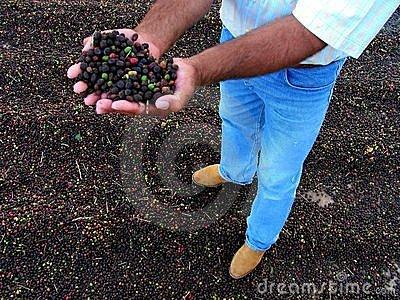
Taste description of Brazilian South Minas Coffee in Tropical Rain Forest region
Taste description of Brazilian South Minas Coffee in Tropical Rain Forest region Brazilian producing areas can also be divided into five grades according to this standard: extremely supple: South Minas, Serrado platform in the central and western part of Minas / Mojiana / Bahia Diamond Plateau in the northeast of Sao Paulo province: slightly higher in the Bahia / Minas southeast forest / Parana / Espiritu (hills) / S ã o Paulo

A brief introduction to the cultivation of varieties with various flavors of Brazilian South Minas Coffee
At present, there are 2 million hectares of land in Brazil for growing coffee, the largest of which is Arabica. These beans will eventually be sent to large bakers in various countries, known as Sandos (in the name of the port of export santos, not the producing area). Because of the coffee competition after 2000, the quality of coffee beans produced in the high-altitude regions of the south was appreciated by its Minas.
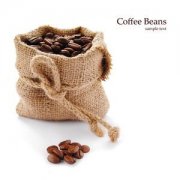
Introduce several kinds of coffee defective beans
Moldy beans: because of incomplete drying, or damp in the process of transportation and storage, cyan and white molds grow, which sometimes make the beans stick together. If these moldy beans are not removed, they will produce moldy smell. Dead beans: beans with abnormal results. The color is not easy to change because of baking, so it is easy to distinguish. The flavor is thin, as harmful as silver skin, and will become different.

Brazilian coffee flavor Brazilian coffee characteristics
Brazilian coffee generally refers to coffee produced in Brazil. There is a wide variety of Brazilian coffee, the vast majority of which are unwashed and sun-dried, classified according to the name of the state of origin and the port of transport. Brazil has 21 states and 17 states produce coffee, but four of them produce the largest, accounting for 98% of the country's total output. Brazilian coffee has a low sour taste, which goes well with coffee.
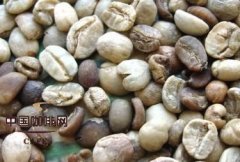
Basic knowledge of boutique coffee defective beans
Moldy beans: because of incomplete drying, or damp in the process of transportation and storage, cyan and white molds grow, which sometimes make the beans stick together. If these moldy beans are not removed, they will produce moldy smell. Dead beans: beans with abnormal results. The color is not easy to change because of baking, so it is easy to distinguish. The flavor is thin, as harmful as silver skin, and will become a peculiar smell.

Flavor characteristics of Brazilian Minas Coffee A brief introduction to the Grinding scale Manor
Brief introduction of Brazilian Minas Coffee Flavor Variety characteristics Taste Grinding scale Manor Brazil's producing areas can also be divided into five grades according to this standard: extremely supple: South Minas, Serrado platform in the central and western part of Minas / Mojiana / Bahia Diamond Plateau in the northeast of Sao Paulo province: slightly higher in Bahia / Minas southeast forest / Parana / San Espiritu (hills) /
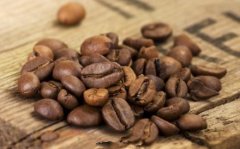
The basic knowledge of Coffee defective beans
Moldy beans: because of incomplete drying, or damp in the process of transportation and storage, cyan and white molds grow, which sometimes make the beans stick together. If these moldy beans are not removed, they will produce moldy smell. Dead beans: beans with abnormal results. The color is not easy to change because of baking, so it is easy to distinguish. The flavor is thin, as harmful as silver skin, and will become a peculiar smell.
Several kinds of coffee defective beans are introduced.
Moldy beans: because of incomplete drying, or damp in the process of transportation and storage, cyan and white molds grow, which sometimes make the beans stick together. If these moldy beans are not removed, they will produce moldy smell. Dead beans: beans with abnormal results. The color is not easy to change because of baking, so it is easy to distinguish. The flavor is thin, as harmful as silver skin, and will become a peculiar smell.

Boutique coffee beans Brazilian coffee the latest coffee introduction and information unique flavor full of taste
Brazil is vividly compared to the giant and monarch of the coffee world. There are about 3.97 billion coffee trees there, and small farmers now grow 75% of Brazil's total coffee production. The number of coffee producers in Brazil is twice or even three times that of Colombia, the second largest coffee producer in the world. Although coffee is diverse, Brazilian coffee is suitable for the public.

Coffee flavors from different coffee producing areas around the world coffee producing areas in Brazil
Brazil is vividly compared to the giant and monarch of the coffee world. There are about 3.97 billion coffee trees there, and small farmers now grow 75% of the country's coffee. The number of coffee producers in Brazil is twice or even three times that of Colombia, the second largest coffee producer in the world. Coffee production in Brazil: in Milasgira, southeastern Brazil

South American Coffee History Flavor and taste characteristics of Brazilian Bahia boutique coffee beans
Bahia is one of the 26 states in Brazil and is located in the northeast. It covers an area of 564692 square kilometers, accounting for 6.6 per cent of Brazil's land area. The capital is Salvador. Culture: due to historical reasons, Bahia is the place where Brazil is most influenced by Africa, and it is one of the non-Brazilian cultures.
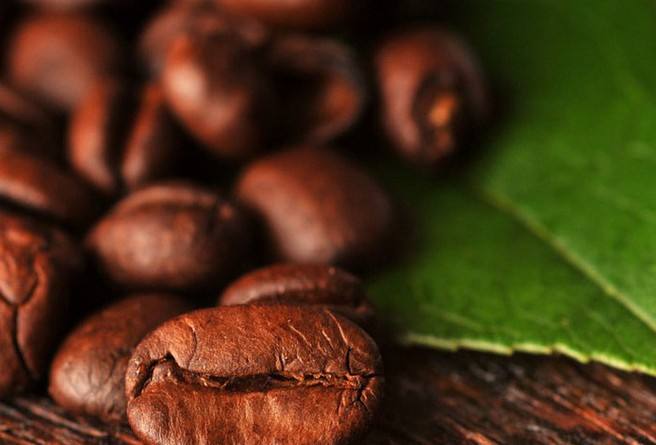
A brief introduction to the flavor of coffee beans in Dateira Manor, Brazil
Following Cafe Review (Wechat official account vdailycom) found that Brazilian Coffee has opened a small shop of its own to interpret soft bean aesthetics in five levels, in the following order: Strictly Soft, Soft, Softish, Hardish, Rioy. In other words, Brazilian beans do not emphasize the lively, sour, rhythmic and transparent characteristics of hard beans.

Introduction of defective beans in coffee roasting
Moldy beans: because of incomplete drying, or damp in the process of transportation and storage, cyan and white molds grow, which sometimes make the beans stick together. If these moldy beans are not removed, they will produce moldy smell. Dead beans: beans with abnormal results. The color is not easy to change because of baking, so it is easy to distinguish. The flavor is thin, as harmful as silver skin, and will become a peculiar smell.

A brief introduction to the flavor description and taste characteristics of Brazilian South Minas coffee in the tropical rain forest region
At present, there are 2 million hectares of land in Brazil for growing coffee, the largest of which is Arabica. These beans will eventually be sent to large bakers in various countries, known as Sandos (in the name of the port of export santos, not the producing area). Because of the coffee competition after 2000, the quality of coffee beans produced in the high-altitude regions of the south was appreciated by its Minas.
Brazilian coffee Central and South American coffee beans Brazilian flavor
[introduction] Brazil has failed to increase production in recent years, but it has greatly improved the quality of coffee in the past decade, trying to get rid of the idea that Brazilian weight is not important to quality and that Brazilian beans are as light as water. In recent years, it has successfully transferred to the boutique coffee market.
How to distinguish between primary defective beans and secondary defective beans? how to select the baked defective beans?
Professional coffee knowledge exchange more coffee bean information please pay attention to the coffee workshop (Wechat official account cafe_style) 1, major defects / first-level defects (Category 1) first-level defects (Category 1) in the CQI quality coffee raw bean evaluation criteria must not appear. It will seriously and continuously damage the raw bean quality of normal coffee, deteriorate the flavor of coffee, and produce coffee.